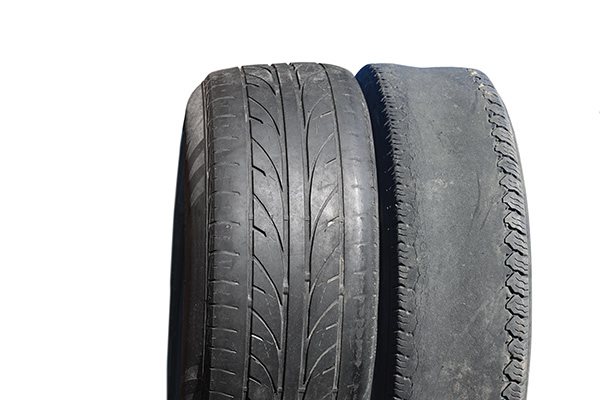
The tire warranty said 60,000 miles, but the tread is nearly gone at 38,000. It's frustrating, especially when you followed the recommended tire size. A mileage warranty can help in some cases, but it isn't a guarantee that every set will travel the full advertised distance.
What a Tire Mileage Warranty Actually Covers
A treadwear warranty generally offers a limited remedy if qualifying tires wear out before the advertised mileage under the manufacturer's terms. The details vary by brand and product. Coverage may be prorated, and the tire may need to reach the specified wear limit while still meeting the warranty's maintenance and usage conditions.
Read the written terms rather than assuming a 60,000-mile rating means a free new set at 59,000 miles. Some tire categories have no mileage warranty. Others apply different conditions to performance vehicles, rear-axle use, or staggered sizes. Keep the purchase invoice and ask the seller what proof will be needed if you make a claim later.
Tire Pressure Has a Big Effect on Tread Life
Underinflation can cause excess shoulder wear and heat buildup. Overinflation can contribute to a different wear pattern, often concentrated toward the center. Either condition can shorten tire life and affect handling. Pressure can change with temperature, so a tire that was correctly inflated last month may need adjustment now.
Use the cold pressure on the driver's door placard, not the maximum pressure molded into the tire. Check it at least monthly with a gauge. If one tire keeps going low, have the leak repaired. A tire-pressure warning lamp isn't a substitute for routine checks, since it may not come on until pressure is well below the recommended value. Pressure should be checked before driving or after the tires have cooled, as directed by the manufacturer. The pressure shown after a long drive is normally higher because the tire warmed up. Bleeding air from a hot tire to match the cold placard can leave it underinflated later.
Alignment and Suspension Wear Can Scrub Tread Away
A vehicle with incorrect toe alignment can drag a tire sideways slightly as it rolls. The change may be too subtle to feel at the steering wheel but large enough to wear tread quickly. Worn control arm bushings, steering joints, or damaged suspension parts can create similar problems, particularly when alignment changes under load.
If tread wears heavily on one shoulder or has a feathered texture, have the tires and suspension inspected. Rotating tires without addressing a bent part or misalignment simply moves the wear pattern to another corner. A tire that has already lost tread cannot regain it after the alignment is corrected.
Rotation Records May Be Required for a Claim
Many mileage warranties require regular tire rotations and proof that the vehicle was maintained properly. The interval and rotation pattern depend on the tire and vehicle. Some staggered-size setups cannot use the ordinary front-to-rear rotation pattern. Follow the tire manufacturer's specific instructions rather than relying on a universal schedule.
Keep invoices showing mileage, date, tire positions, and completed rotations. A maintenance record also helps a technician identify a wear problem early. If an alignment correction or suspension repair was performed, keep that paperwork as well. The warranty administrator may ask for it when evaluating the claim. Save photographs of tread readings and retain service invoices. When a claim is evaluated months after purchase, having those records is much more persuasive than saying the tires were rotated regularly but not knowing when.
Driving Style and Tire Type Change the Outcome
Heavy acceleration, sharp cornering, repeated hard braking, heavy loads, and road surfaces all affect how quickly rubber wears. A soft performance tire designed for high grip may have a different tread-life expectation from a touring tire. Driving mainly in stop-and-go traffic gives tires a different workload from steady highway use.
These factors aren't a reason to dismiss every early-wear complaint as driver error. A proper inspection looks at the actual wear pattern, tire condition, alignment, inflation, and service history. The explanation should be based on evidence rather than one assumption about how the car was driven.
What to Do Before Submitting a Warranty Claim
If the tires appear to be wearing out early, get the tread depth measured at several points on every tire. Bring the purchase invoice, rotation records, alignment history, and warranty document. Ask the tire provider which conditions the warranty covers and what remedy is available. Take clear photos before the tires are removed.
If the tread is at an unsafe level, don't keep using the tires just to reach a mileage milestone. Safety comes first. A replacement plan should address the cause of unusual wear, or the next set may develop the same problem.
106 St. Tire & Wheel In Queens, NY: Tire Wear and Warranty Questions
If your tires are wearing sooner than expected, we can discuss tread measurements, alignment concerns, and the service records that may be needed for a warranty claim. Bring the written warranty and the tire purchase information.
Get Tire Wear Inspection In Queens, NY, With 106 St. Tire & Wheel
Mileage warranties have specific terms, and early treadwear often calls for an inspection of the car as well as the tires. Bring your purchase and rotation records when you call.
Call 106 St. Tire & Wheel to discuss tire wear inspection.