Posted on 5/23/2017
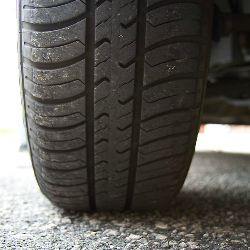
It's way too easy to just forget about your tires and take them for granted...right up to the point where something goes wrong. It's important to keep up on their condition, though, and know what to look for! Here's a quick rundown of the best ways to inspect your tires: Regularly get a close look at the sidewalls and check for bulges, cracking (some cracking due to age is normal), gouges and scrapes. The sidewalls are pretty tough and can withstand curb scrapes, but use your own judgment as to what constitutes more serious damage. You'll know. Get a close look at the tread surface and run your hand over it to feel for irregularities. A “feathered” or “sawtooth” feel to the tread face can be an indicator of suspension problems, as is a “cupped” profile. Look at the entire tread face and check for uneven wear on the inside or outside edge – this is a sure sign of alignment problems. If your tires are beginning to wear significantly, be wary of ... read more
Posted on 9/13/2016
Pros and cons of using Nitrogen to inflate your tires (Part 3) This is part 3 of our series on using Nitrogen to inflate your tires. · Click here for part one. · Click here for part two. Drawbacks you can expect when using nitrogen inflation. 1. Regardless of its ability to stay put within the tire, nitrogen is still a gas and eventually you will need to restore the pressure of your tires by topping them off. When this happens, nitrogen can only be topped off by nitrogen. The alternative, which is filling it up using compressed air, is a slow and tedious affair that involves deflating the tire completely before re-inflating it using compressed air. 2. To fill your tires with nitrogen, you will need to dig deeper into your pockets. It might save you money at the pump due to the ... read more
Posted on 9/8/2016
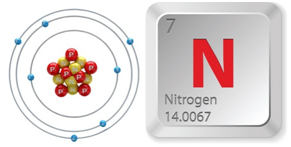
Pros and cons of using Nitrogen to inflate your tires (Part 2) Please click here for part one of our series on nitrogen fill for your tires. Benefits of Nitrogen tire inflation1. Provides more consistent inflation. As much as compressed air is still widely used, it is important to note that one of the most detrimental properties of oxygen is the permeability of its molecules. The rate at which oxygen seeps out of the tires causes them to lose up to 3PSI per month. Nitrogen has significantly larger molecules than oxygen, being as much as four times larger than oxygen molecules. This property makes nitrogen-filled tires unable to lose pressure through permeation no matter how long it takes. Therefore, it enables your tires to maintain optimum pressure for longer periods of time without the need to top them up constantly. Keeping the tire pressure constant ... read more
Posted on 7/22/2016
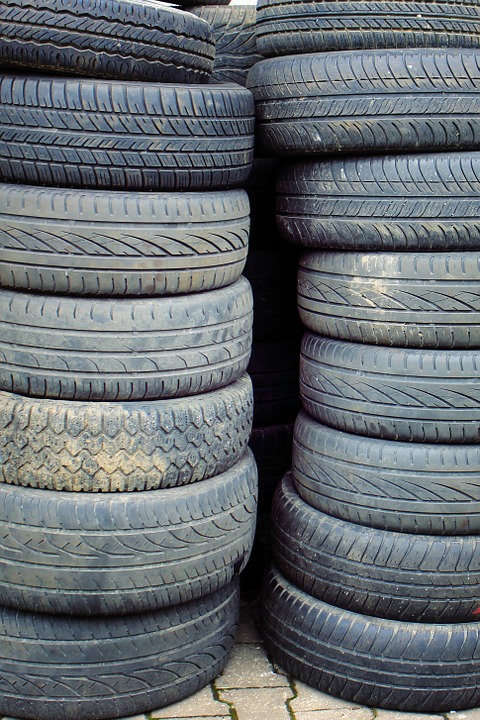
When it comes to deciding on a set of tires, the number of choices out on the market can be almost overwhelming. Which tires are right for your vehicle, your needs and your bank account? All-season tires are the most common choice for most drivers. All-season tires are generally available in either touring or passenger styles; touring tires are usually quieter and offer better handling, while passenger tires have a more forgiving ride. All-season tires are a jack of all trades, master of none; while they offer good traction on wet or dry pavement, they generally don't perform well in more than in an inch or two of snow. The payoff, however, is that all-season tires also carry a long treadwear warranty. Winter tires are designed specifically for traction on snow and slush. The deeper, more aggressive tread of winter tires, coupled with a softer rubber formulation that stays flexible at low temperatures, means good performance in difficult conditions. S ... read more
Posted on 4/20/2016

FAQ about 106 St Tire & Wheel's used tires...a price friendly way to a safer ride! Where do used tires come from? Take a look around after the carnage of the flooding, mud slides, tornados? Millions of dollars in ruined vehicles are scattered about like MatchBox cars...cars, trucks, vans and more all ruined because of damage from fallen trees, mud and flooding. When flood water gets inside your car, inside your engine and your interior everything is ruined. Flood water carries with it not only waste water but also street water containing spillage from leaking transmissions, oil leaks, antifreeze, over-flooding sewers, etc. Interiors are ruined and drying them does not solve the situation as they are stained with waste materials like oil, grease, etc and maybe worse. Most times, a vehicle recovered from a flood will have the engine ruined by dirt, sand, debris getting into the engine and exhaust. Between body and fender damage, interior damage and engine damage, mo ... read more