Posted on 1/11/2017
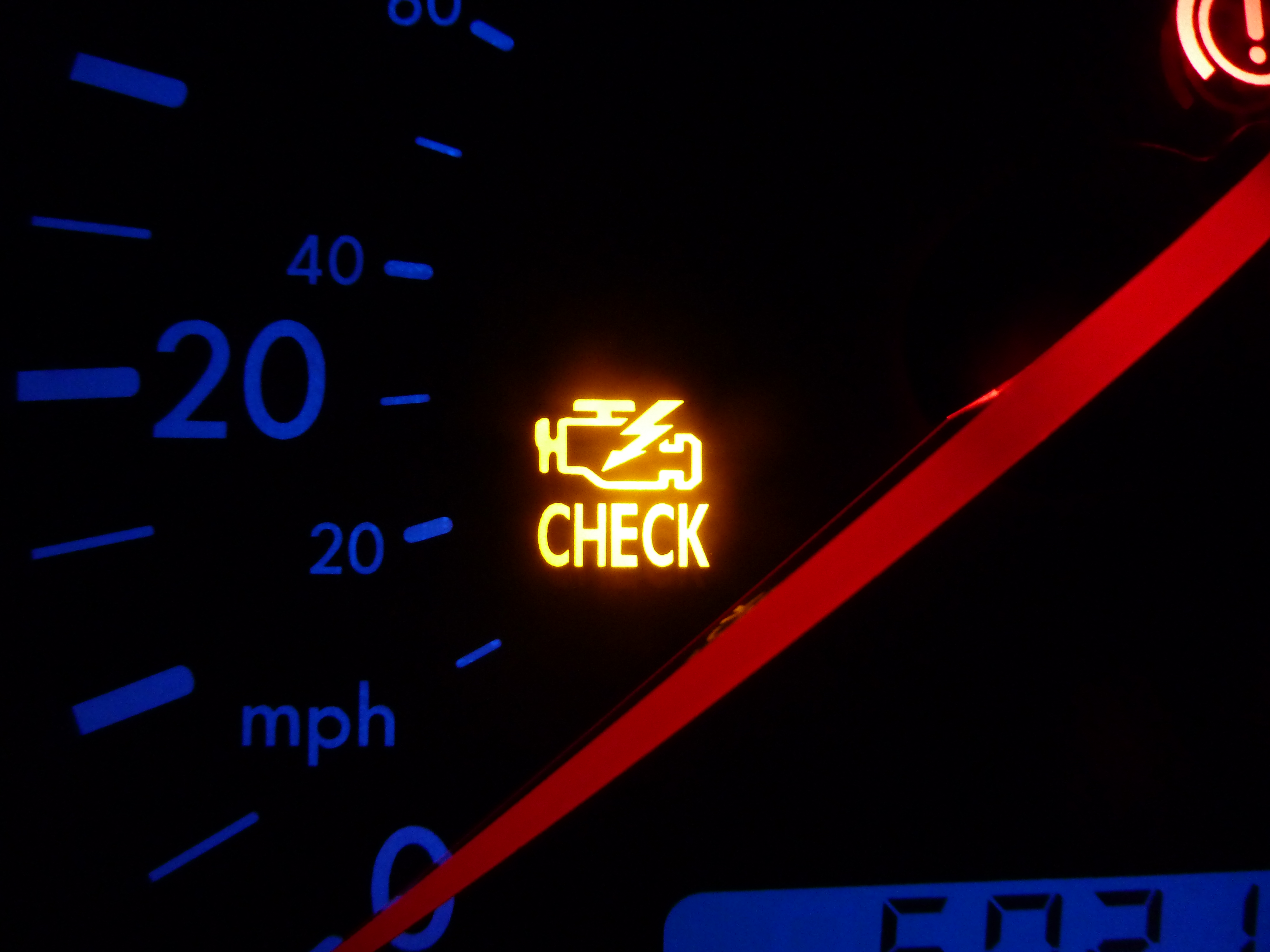
Your car used to be running great, and all the sudden it’s running rough, doesn’t have a lot of power and is using more gas. Why is this happening? Truth is, there are all kinds of reasons for a rough running condition. The smart play is to start with the simplest stuff, then work your way from there. Here’s a brief rundown of a few of the culprits for a rough-running condition: --A dirty air filter can literally smother the engine by restricting air flow through the fuel system. This is a quick and easy fix; just locate the air box, take out the old air filter, toss it and replace it. --Newer vehicles no longer have a coil, distributor and plug wires. Instead, they’re designed with a coil-on-plug setup that delivers spark at the spark plug itself. If these COP units start to fail, it can cause the vehicle to buck and run horribly. --A dirty fuel filter can cause a lot of problems. Fuel filters are located in the fuel line on newer vehicles, or possibly in the fuel tank by the ... read more
Posted on 12/11/2016
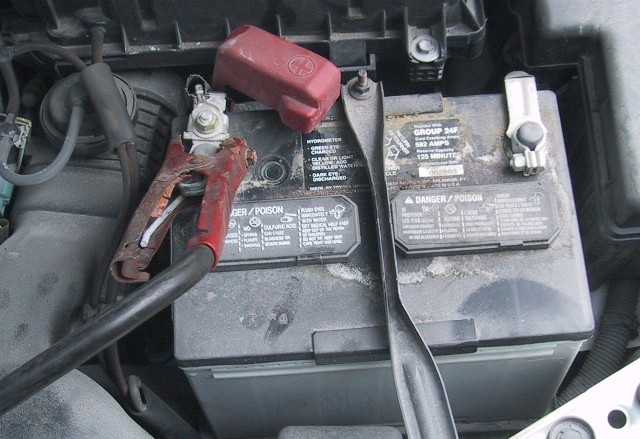
The automotive battery hasn't changed much for a long, long time. It's still a series of cells that are connected in parallel to deliver about 12.8 volts, and each cell is still comprised of lead plates and acid. Just like in vehicles from the 1940s, the battery still relies on chemical processes to store electricity and deliver it again, and it's still charged by an alternator that's driven by the engine. Unfortunately, whether it's in your laptop, phone, tablet or car, any battery that can be recharged is only good for so many charge/recharge cycles before it starts to weaken. Cold weather is particularly hard on automotive batteries; the chemical reaction in the battery is only at about 50 percent efficiency in 35-degree weather. Here are some tips to make sure your battery lasts through its entire warranty phase: --Try to never completely drain the battery. Any time the battery is completely discharged, it has a definite tendency to weaken and compromise the batter ... read more
Posted on 11/19/2016
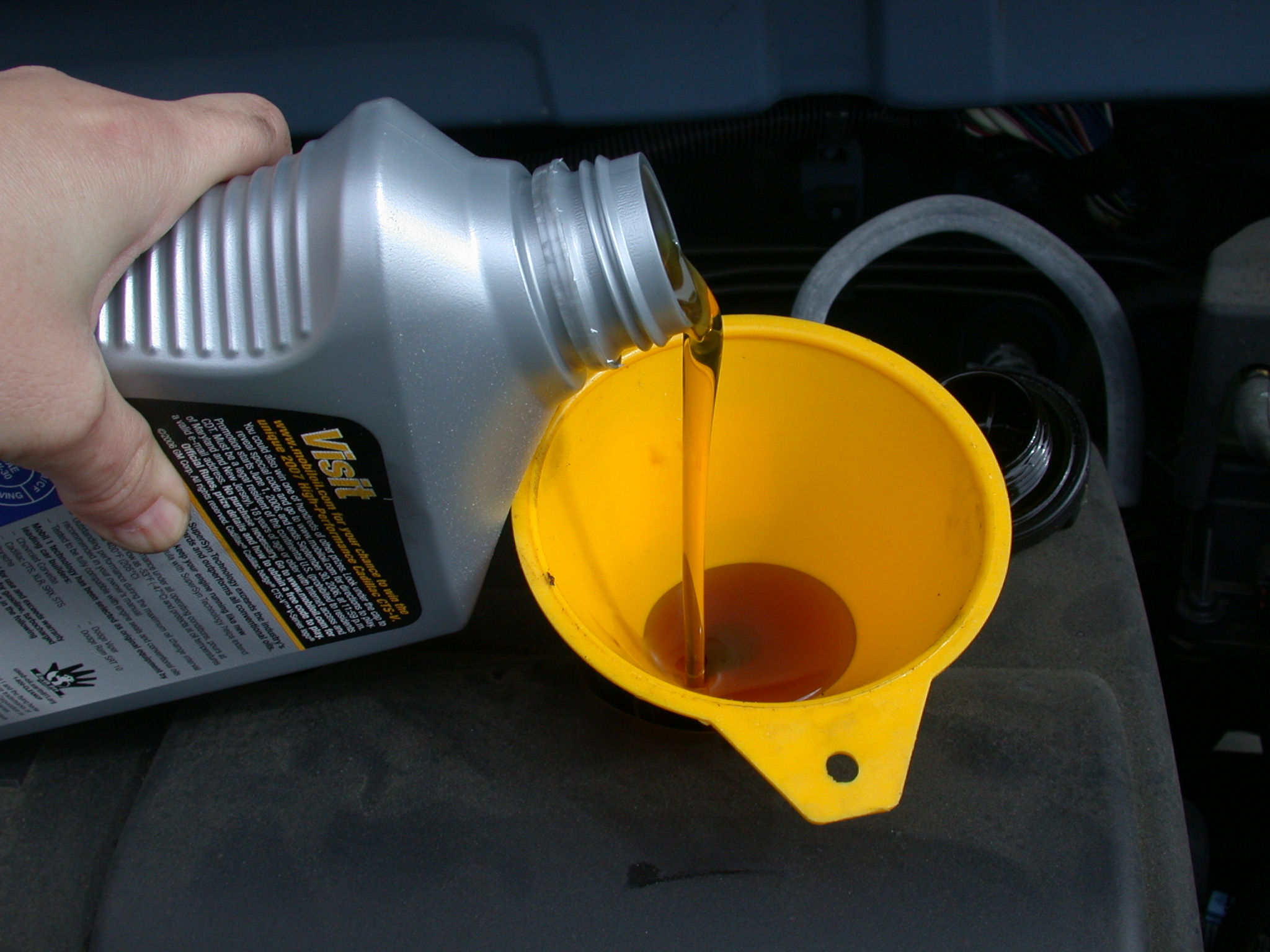
For years, conventional mineral-based motor oil was a driver’s only option. Repair shops and quick-change pushed the “3,000 mile rule” for oil change intervals, in order to keep an engine’s internal assemblies clean of carbon and sludge deposits. Today’s conventional oil formulations feature detergents, friction modifiers, dispersants and other additives that can allow a 5,000 mile interval for oil changes with no compromise in engine protection. Older engines (past the 100,000 mile mark) tend to show a bit of wear, with looser internal clearances between moving parts. For these engines, a synthetic blend oil may be a better choice. Synthetic blend contains seal swell additives that can expand gaskets and other seals that may have dried out and shrank, helping to deter leaks. For overall engine protection, though, the jury is in. After years of testing and real-world experience, it’s been shown beyond doubt that full synthetic motor oil does a superior job of engine protection. Sy ... read more
Posted on 10/14/2016
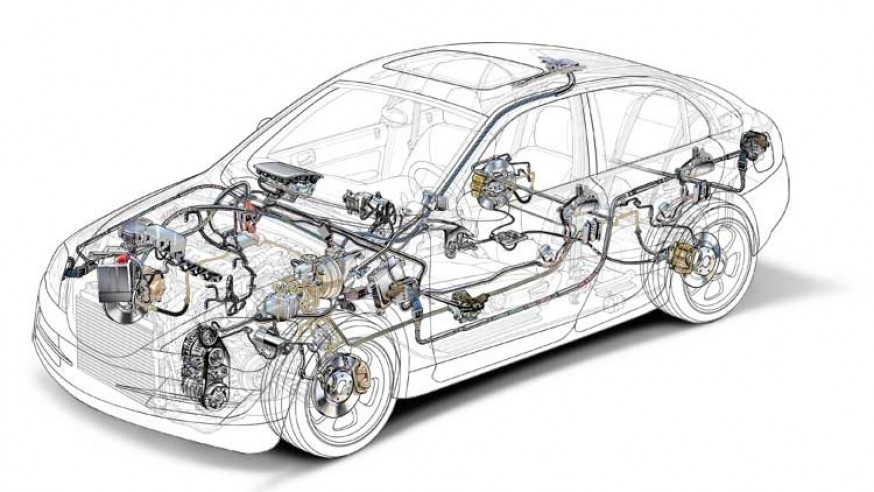
Electrical SystemsElectrical System Maintenance (Part 2) To ensure proper maintenance of the cars electrical system, you need to clean off the connections on the battery from time to time. This will help to prevent unnecessary tear and wear on the car's starter. We've already looked at the importance of keeping the battery in working order. Also, having the car's electrical system tested regularly plays an important role in diagnosing and repairing problems while they are still small and less expensive to deal with. The car battery needs to be changed after some time. The cables need to be tight such that they do not move at all. The battery should also be taken for load tests to ensure that it is charging as it should be. The water level in the battery should be checked regularly; if the water level is low, add water immediately and ensure it is distilled ... read more
Posted on 10/13/2016
Electrical SystemsElectrical System Maintenance A car relies on its electrical system to ensure smooth running and operation. Unfortunately, many car owners do not pay attention to the electrical system because it does not need to be inspected as often as the car's moving parts. Knowing what comprises a car's electrical system is very important in making sure it runs smoothly. Some common problems that are caused by the electrical system include: 1. Little or no power in the battery This is one of the very common problems that occur in a vehicle. Sometimes the battery is totally out of power, which makes it hard to start the car, and sometimes battery seems to have power that is less than the threshold needed to get the engine running. This is a very frustrating experience, especially if you are in a hurry. 2. Alternator not functioning The alternator is one of the most important compo ... read more